
Princeton attracts buyers who want more than just a larger house. For many households, the appeal is the combination of established neighborhoods, access to public schools, parks and recreation, a recognizable downtown, proximity to Princeton University, and transportation connections to other parts of New Jersey and New York.
At Roman Balandin Realty, we also remind buyers that Princeton comes with tradeoffs. Home prices are high, property-specific taxes matter, and the right location can look very different depending on whether your priority is commuting, walkability, yard space, school assignment, or the character of the home itself.
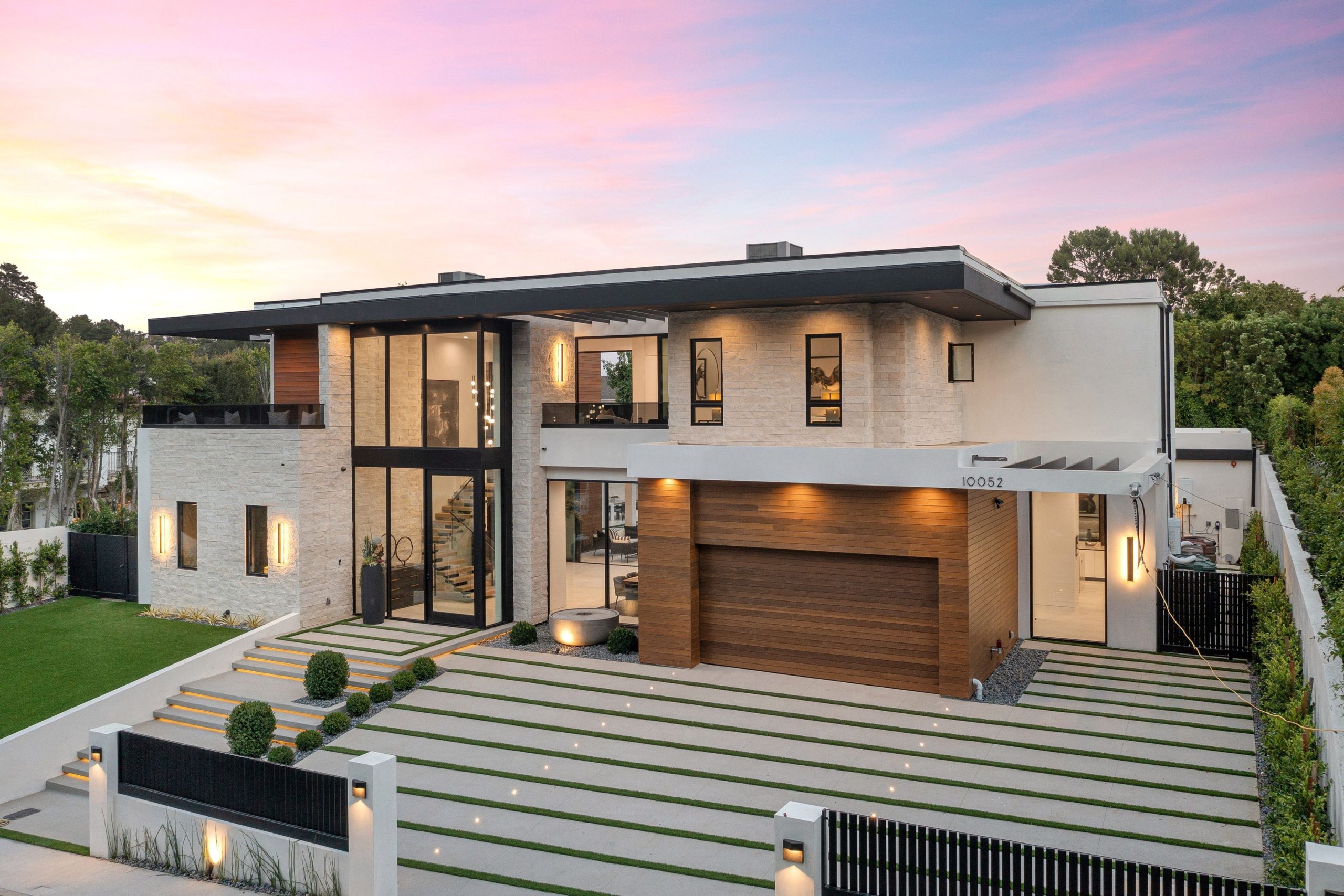
Why Is Princeton, NJ So Popular With Home Buyers?
Princeton offers a combination that is difficult to find in one place: suburban residential streets, an active downtown, major educational institutions, outdoor recreation, and regional transportation.
Unlike communities where almost every daily activity requires a long drive, Princeton has areas where residents can reach restaurants, shops, parks, cultural destinations, and parts of the university area relatively easily. At the same time, other sections offer larger lots and a more traditional suburban setting.
That variety matters. Two buyers looking in Princeton may want completely different lifestyles even if their budgets are similar.
Are Princeton Public Schools Part of the Appeal?
Yes. Education is one of the factors many buyers research when comparing Princeton with nearby New Jersey communities.
Princeton Public Schools serves the local public-school district and provides education from elementary through high school. The district itself notes that it has received strong state and national recognition.
For real estate buyers, however, the important step is not simply seeing a school district name on a listing. We recommend confirming the specific school assignment for an address directly with the district before making a decision, because boundaries and enrollment information can change.
A home should also make sense beyond its school assignment. Buyers still need to consider price, taxes, commute, condition, layout, future maintenance, and how long they realistically expect to own it.
Does Princeton Work for Buyers Who Commute?
Princeton can be practical for commuters, particularly when access to the Northeast Corridor matters.
NJ TRANSIT’s Princeton Dinky connects Princeton with Princeton Junction, where passengers can access Northeast Corridor rail service. Princeton Junction is part of the Northeast Corridor system, which provides rail connections toward destinations including New York.
That does not mean every Princeton property offers the same commute.
A house closer to downtown may provide easier access to the Dinky or local destinations, while another property may offer more space but require more driving. When we work with buyers, we recommend testing the commute from the actual address rather than judging it from the town name alone.
Ten additional minutes each way may not sound significant during a showing. Over five commuting days, it can become an important quality-of-life factor.
What Is Everyday Life Like in Princeton?
Princeton combines residential living with a stronger town-center environment than many purely suburban communities.
The presence of Princeton University contributes restaurants, events, architecture, cultural activity, and a distinctive atmosphere around the central part of town. The university remains a major academic institution located directly in Princeton rather than an isolated campus far from residential areas.
For buyers, this can create an interesting choice.
Some want to be closer to downtown activity and accept a smaller lot or older home. Others prefer quieter residential streets and are comfortable driving more often.
Neither choice is automatically better. It depends on how you actually live.
Does Princeton Have Good Outdoor and Recreation Options?
Princeton has a substantial municipal recreation system with programs, parks, community activities, and facilities for different age groups.
The Princeton Recreation Department offers community programs, classes, events, trips, and recreational opportunities. Local facilities include spaces such as Community Park South, while Marquand Park offers walking paths and connections that can be reached from downtown by foot or bicycle.
The Community Park Pool is also a seasonal municipal amenity, with the town publishing operating dates and membership information each year.
For buyers comparing homes, proximity can matter more than simply knowing these amenities exist. A park that is technically “in Princeton” may still be much more convenient from one neighborhood than another.
How Expensive Is It to Buy a Home in Princeton?
Princeton is an expensive housing market, so buyers should establish a realistic budget before becoming attached to a particular neighborhood or architectural style.
According to the U.S. Census Bureau’s 2020–2024 estimates, the median value of owner-occupied housing units in Princeton was approximately $1.05 million. The owner-occupied housing rate was about 55.4%.
Those numbers are useful for context, but they are not a substitute for current listing data.
Individual homes can vary dramatically based on:
- location within Princeton
- lot size
- square footage
- age and architectural style
- renovation level
- property taxes
- proximity to downtown or transportation
- number of bedrooms and bathrooms
- structural condition
- recent comparable sales
A renovated home near central Princeton and an older property requiring substantial work can belong to very different price conversations even if they have similar square footage.
Are Older Princeton Homes a Good Buy?
They can be, but condition matters much more than charm.
Princeton has housing from multiple periods, and older properties can offer architectural details, mature landscaping, established streets, and layouts that feel very different from newer construction.
But an attractive exterior should not distract from major systems.
When looking at an older property, we pay close attention to issues such as the roof, electrical system, plumbing, HVAC, windows, drainage, basement moisture, foundation condition, and previous renovations.
A lower purchase price does not necessarily mean a lower total cost of ownership if the home needs significant work immediately after closing.
Is a Renovated Home Worth Paying More For?
Sometimes. The real question is how much of the premium is supported by the work that was actually completed.
A freshly renovated kitchen photographs beautifully, but buyers should look beyond countertops and cabinet colors. We want to know whether major improvements were completed properly and whether the home’s mechanical and structural systems received attention as well.
There is also a lifestyle calculation.
One buyer may happily renovate for six months to get exactly the home they want. Another may prefer to pay more upfront and move into a finished property without managing contractors, permits, material selections, and construction delays.
Both approaches can make financial sense under the right circumstances.
Should Buyers Prioritize Location or the House Itself?
In many Princeton searches, location deserves slightly more weight because you can renovate a house, but you cannot move the lot.
A dated kitchen can be replaced. Flooring can change. Walls may sometimes be reconfigured.
The street, lot orientation, nearby traffic, distance from frequently used destinations, and basic neighborhood setting are much harder to change.
We often tell buyers to separate their wish list into two categories:
Things you cannot easily change: location, lot, general footprint, surroundings, commute.
Things you may be able to change: finishes, paint, fixtures, cabinetry, landscaping, and some interior layouts.
That simple distinction can prevent buyers from rejecting a fundamentally good property because of cosmetic details.
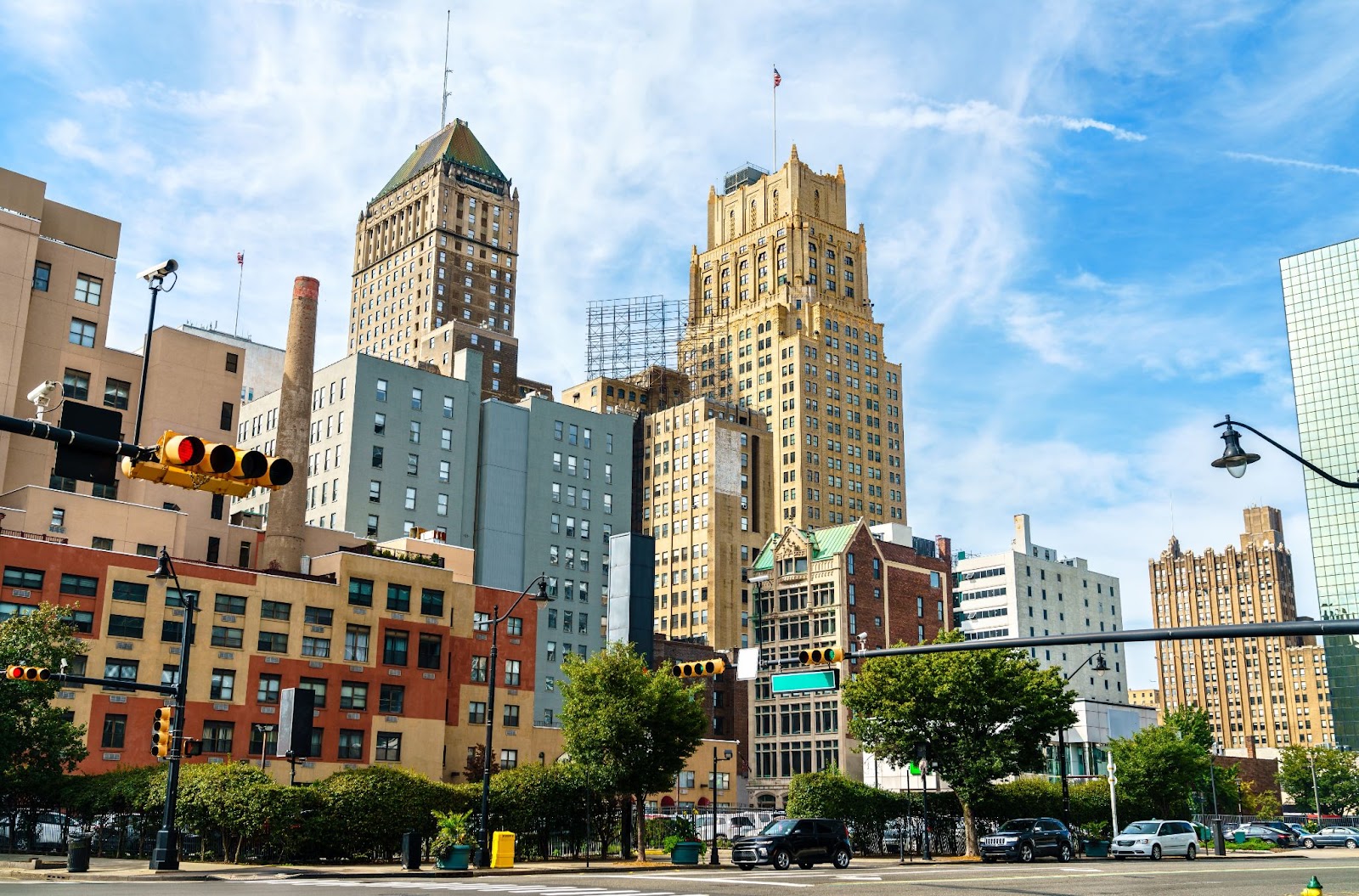
Is Downtown Princeton Better Than the More Residential Areas?
Neither is universally better; they offer different versions of Princeton living.
Closer to the center, buyers may value access to shops, restaurants, university surroundings, and a more walkable daily routine. Farther out, properties may provide a different balance of privacy, lot size, parking, and residential character.
This is why we prefer showing buyers several parts of Princeton before they decide where they “have” to live.
Sometimes the location they initially ignored turns out to fit their real routine better than the neighborhood they found online.
What Should Buyers Check Before Making an Offer in Princeton?
A strong offer should come after understanding the property, not just falling in love with it during a showing.
Before moving forward, we typically want buyers to understand:
- Recent comparable sales nearby.
- Current property taxes for the specific home.
- The condition of major systems.
- School assignment, if relevant to their search.
- Daily commute and transportation options.
- Renovation or maintenance that may be needed.
- How the property compares with other available homes at the same budget.
That last point is particularly important.
A home does not need to be perfect. It needs to make sense compared with the alternatives you can realistically buy.
Why Does Princeton Continue to Stand Out in New Jersey Real Estate?
Princeton stands out because buyers are not choosing between only one or two advantages.
The town brings together housing, a recognizable downtown, public recreation, education infrastructure, university activity, and access to regional transportation. Official municipal resources also show an active recreation system and community programming rather than Princeton functioning solely as a residential bedroom community. The tradeoff is price.
For some buyers, Princeton delivers enough of their priorities in one place to justify the premium. For others, a nearby community may provide more house or land for the same budget. That is exactly why we recommend comparing Princeton with alternatives rather than deciding based on reputation alone.
Is Princeton, NJ the Right Place for Your Next Home?
Princeton can make sense if its combination of location, transportation, community amenities, housing character, and educational options matches the way you actually want to live.
The best approach is to look beyond the town name and compare individual properties. A million-dollar home with the wrong commute or major upcoming repairs can be a worse fit than a less dramatic property that works naturally with your daily routine.