
Is New Jersey finally becoming easier for buyers?
New Jersey is becoming slightly more manageable for buyers, but it is not suddenly an easy market. More homes are coming to the market, but well-priced properties in desirable areas still move quickly, and affordability remains a major challenge.
This is the part many buyers misunderstand. More inventory does not automatically mean lower prices, weaker competition, or unlimited negotiation power. It simply means buyers may have more choices than they had during the tightest parts of the market.
In New Jersey, the real question is not only “Are there more homes available?” The better question is, “Are the right homes available at prices buyers can actually afford?”
Why does more inventory matter for buyers?
More inventory matters because buyers finally have more room to compare properties instead of rushing into the first available home. When there are more listings, buyers can look more carefully at condition, location, taxes, commute, layout, and long-term value.
This is especially important in New Jersey, where one town can feel completely different from the next. A buyer comparing Edison, Toms River, Jersey City, Montclair, Woodbridge, Manalapan, or Princeton is not looking at one single market. They are looking at many smaller markets moving at different speeds.
More homes on the market can help buyers avoid panic decisions. But it does not remove the need for preparation. A good home in the right location can still attract serious attention quickly.
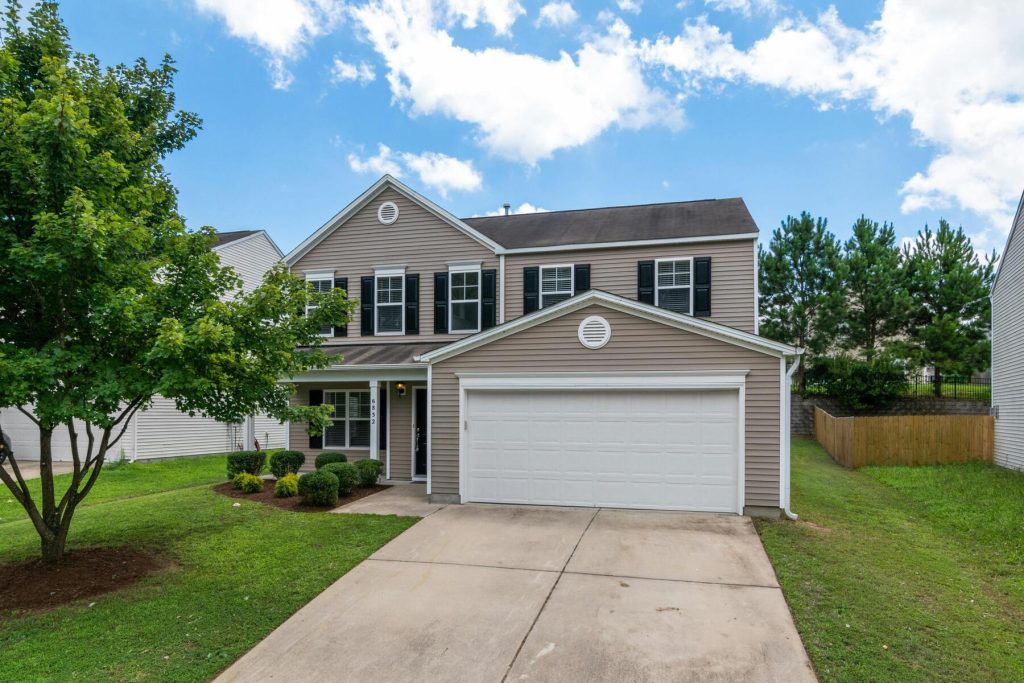
What does “more homes for sale” actually mean?
More homes for sale means buyers may see more active listings, but it does not always mean there is enough supply in every price range. Inventory can grow overall while still feeling tight in the categories buyers want most.
For example, a county may have more luxury listings, but still have limited entry-level homes. A town may have more condos, but very few single-family homes. Another area may have more listings, but many of them may need major repairs or be priced too aggressively.
That is why buyers should not read statewide inventory numbers as a guarantee. The real picture depends on price point, property type, school district, taxes, commute access, and local demand.
Where does the market still feel competitive?
The market still feels competitive in towns with strong schools, good commute options, walkable downtowns, lower relative taxes, and limited quality inventory. These are the homes that buyers are still watching closely.
In many New Jersey areas, the strongest listings are not sitting for months. If a home is priced correctly, photographed well, and located in a desirable area, it can still receive strong activity.
Competition often remains higher for:
- Move-in ready single-family homes.
- Homes near train access or major commuting routes.
- Properties in desirable school districts.
- Well-maintained homes with updated kitchens and bathrooms.
- Homes with lower taxes compared to similar nearby towns.
- Condos with strong building management and reasonable HOA fees.
- Shore homes or waterfront properties with strong lifestyle appeal.
The increase in listings gives buyers more options, but the best options still require speed and strategy.
Why are some homes sitting longer?
Some homes are sitting longer because buyers have become more selective. Higher monthly payments, property taxes, insurance, maintenance concerns, and renovation costs are forcing buyers to think more carefully before making offers.
A home that needs work is not automatically a bargain. If the kitchen, roof, HVAC, windows, or foundation need attention, buyers are calculating those costs immediately. In 2026, many buyers are not only asking, “Can I afford the purchase price?” They are asking, “Can I afford the house after closing?”
This is why overpriced homes are becoming easier to spot. When buyers have more options, they compare harder. A listing that might have received fast interest during a tighter market may now sit if the price does not match the condition.
What is the difference between more choice and more affordability?
More choice means buyers can compare more homes, but affordability means the monthly payment actually works. These are not the same thing.
A buyer may see 20 homes online instead of 10, but if most of them are above budget, need repairs, or carry high taxes, the market may not feel easier in a practical way. Inventory helps, but mortgage rates and home prices still shape the real buying experience.
| Market Factor | What It Means for Buyers | Does It Make Buying Easier? |
|---|---|---|
| More listings | More homes to compare | Yes, somewhat |
| Higher home prices | Larger down payment and loan amount | No |
| Higher mortgage rates | Higher monthly payment | No |
| More days on market | More time to evaluate | Sometimes |
| More price reductions | More room to negotiate | Sometimes |
| Strong local demand | Faster competition on good homes | No |
| Better preparation | Stronger offer strategy | Yes |
A buyer should not assume that more homes mean easy bargains. The better opportunity is the chance to make a more informed decision.
Are sellers losing power in New Jersey?
Some sellers are losing a little leverage, but strong sellers still have power when the home is priced correctly. The market is not fully shifting to buyers everywhere.
A seller with a clean, well-presented, properly priced home in a desirable location can still attract serious offers. A seller who overprices because they expect the old market to do all the work may face a different reality.
In this type of market, presentation matters more. Pricing matters more. Timing matters more. Buyers have more data and more options, so they are less willing to ignore obvious issues.
For sellers, the message is simple: the first week still matters. If the price is too high at launch, the listing may lose momentum before the right buyers take it seriously.
What should buyers do differently now?
Buyers should use the extra inventory as a chance to compare carefully, but they should still be ready to act quickly when the right home appears. Waiting too long can still cost them a good property.
A smart buyer strategy in New Jersey right now includes:
- Getting pre-approved before touring seriously.
- Knowing the true monthly payment, including taxes and insurance.
- Studying recent comparable sales, not only asking prices.
- Watching how long homes stay active in the target town.
- Comparing condition, not just square footage.
- Asking about HOA fees, flood zones, and local restrictions when relevant.
- Moving fast on strong listings.
- Staying calm when a property is overpriced.
The buyers who benefit most from more inventory are the ones who are ready before they find the house.
What should sellers do differently now?
Sellers should price with today’s buyer behavior in mind, not last year’s expectations. Buyers are still active, but they are more careful.
In a market with more listings, buyers compare your home against every other option in the same price range. If your home is overpriced, poorly presented, or not easy to understand online, buyers may skip it.
Good seller strategy now includes accurate pricing, professional photos, strong listing presentation, clean repairs, and a clear understanding of what buyers are seeing nearby. A seller does not need to underprice, but they do need to be realistic.
This is where working with a local professional matters. Roman Balandin Realty helps sellers understand how their home compares to the current competition, not just what they hope the home is worth.
Which New Jersey buyers may benefit most from more inventory?
The buyers who may benefit most are those who have flexibility. If a buyer is open to several towns, different property types, or homes that need light updates, the increase in listings can create more opportunity.
A buyer focused on only one town, one school district, one home style, and one narrow price range may still feel pressure. Flexibility opens the market.
| Buyer Type | Market Advantage | Possible Challenge |
|---|---|---|
| First-time buyer | More listings to compare | Affordability remains tight |
| Move-up buyer | More choices for larger homes | Must sell or carry two payments |
| Investor | More stale listings to evaluate | Numbers must still work |
| Shore buyer | More seasonal options | Flood/insurance questions matter |
| Condo buyer | More building options | HOA fees can affect budget |
| Flexible buyer | Can compare towns | Needs clear priorities |
| Luxury buyer | More room to negotiate in some areas | Longer due diligence needed |
More inventory rewards prepared and flexible buyers. It does not always help buyers who are underprepared or unrealistic about budget.
Are price reductions becoming more common?
Price reductions may become more visible when sellers test the market too high. That does not mean every listing is negotiable, but it does mean buyers should watch pricing history carefully.
A price reduction can create opportunity, but buyers should ask why the home did not sell at the original price. Was it overpriced? Was the condition weak? Was the location less desirable? Were taxes high? Did the photos fail to show the property clearly?
Not every price cut is a deal. Sometimes the new price is simply closer to where the home should have been from the beginning.
Buyers should compare reduced homes to recent sold properties, not just the original asking price. A $25,000 reduction does not matter if the home is still $50,000 above market value.
Does more inventory mean buyers can negotiate more?
Buyers may have more room to negotiate on homes that have been sitting, but strong listings can still receive competitive offers. Negotiation power depends on the specific property.
If a home has been on the market for several weeks, has had a price reduction, or needs updates, buyers may have more room to ask for repairs, credits, or better terms. If a home is new, well-priced, and in a desirable location, aggressive negotiation may cause the buyer to lose it.
The smartest buyers do not use one strategy for every home. They adjust based on days on market, local demand, seller motivation, condition, and comparable sales.
What does this market mean for New Jersey real estate overall?
This market looks more balanced than the extreme seller conditions buyers faced before, but it is not a full buyer’s market. New Jersey remains competitive because demand is supported by location, jobs, schools, transit, lifestyle, and limited land in many areas.
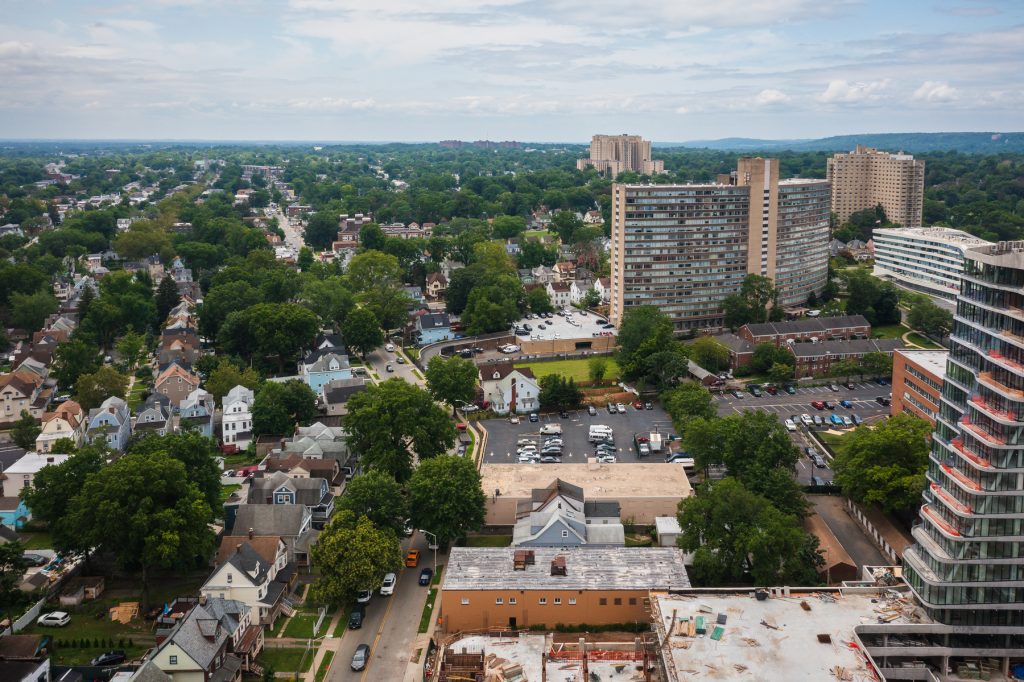
The state has many different micro-markets. North Jersey commuter towns may behave differently from Shore towns. Central Jersey may behave differently from urban condo markets. South Jersey may offer different affordability dynamics altogether.
That is why general headlines can be misleading. A statewide trend may be true, but a buyer or seller needs local interpretation before making a decision.
What is the real takeaway for buyers?
The real takeaway is that New Jersey buyers may have more choices, but they still need a strong strategy. The market is not as frantic everywhere, but it is still competitive where value is clear.
A buyer should not panic, but they also should not sleep on a good property. More inventory gives buyers breathing room, not unlimited time.
The best approach is simple: understand the local market, know your numbers, watch the right towns, and be ready when the right home appears.
Roman Balandin Realty helps New Jersey buyers and sellers read the market beyond the headlines. More homes may be hitting the market, but the real opportunity depends on knowing which homes are worth attention and which ones are simply sitting for a reason.
FAQ
Are there more homes for sale in New Jersey in 2026?
Yes, inventory has increased in New Jersey, giving buyers more options than they had during tighter market conditions.
Does more inventory mean lower prices?
Not always. More inventory can slow competition, but prices may still rise or stay firm in desirable areas.
Is New Jersey a buyer’s market now?
Not fully. Some buyers have more leverage, but strong listings in popular towns still move quickly.
Should buyers wait for prices to drop?
Waiting can help in some cases, but it can also mean missing a good home. Buyers should focus on affordability and local value, not only predictions.
Are sellers still getting multiple offers?
Yes, some sellers still receive multiple offers when the home is priced well, presented properly, and located in a high-demand area.
What homes are easier to negotiate on?
Homes that are overpriced, need repairs, have been sitting, or have had price reductions may offer more negotiation room.
What should sellers do if inventory is rising?
Sellers should price accurately, prepare the home well, and pay attention to competing listings in the same local market.
What is the smartest move for buyers right now?
The smartest move is to get pre-approved, study the local market, compare total monthly costs, and be ready to act when a strong listing appears.