
New Jersey presents a uniquely diverse real estate landscape, offering options for nearly every lifestyle and preference. From vibrant urban centers to quiet suburban neighborhoods, the choice between a walkable community and a private retreat is often the defining factor for buyers. This decision affects not only daily convenience but also long-term satisfaction, social engagement, and the overall investment value of a property.
Walkable neighborhoods provide residents with immediate access to shops, cafes, parks, and essential services, creating a lifestyle defined by interaction and accessibility. Conversely, privacy-focused areas offer spacious lots, secluded streets, and opportunities for personal retreat, appealing to buyers who prioritize tranquility and long-term comfort. While some homes combine both elements, the balance between convenience and privacy remains a critical consideration in the New Jersey real estate market.
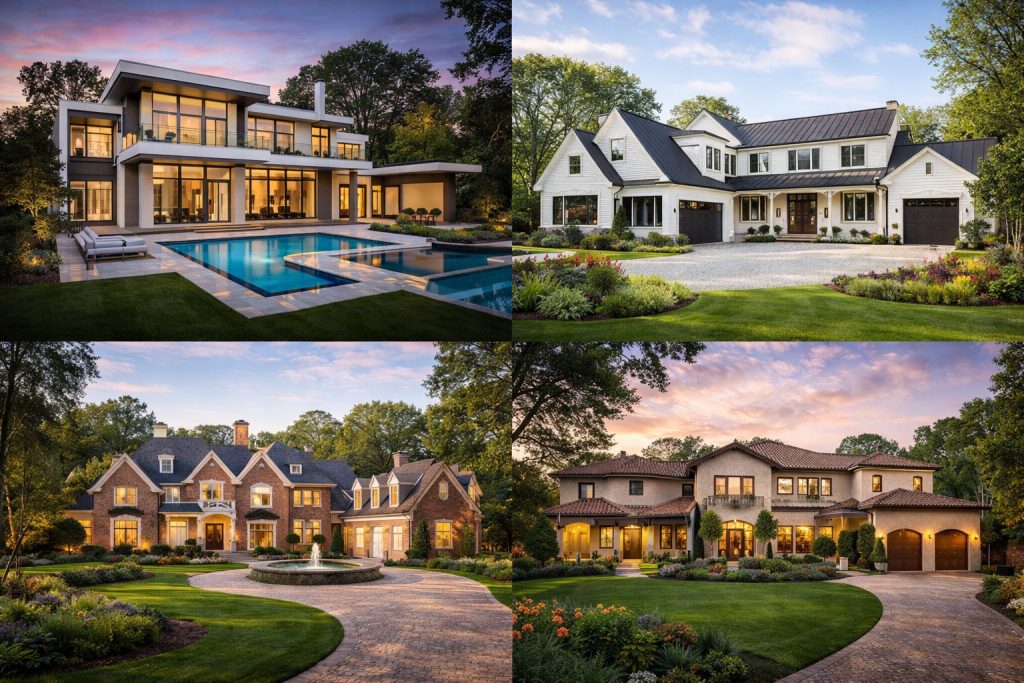
The Advantages of Walkable Neighborhoods
Walkable neighborhoods in New Jersey have seen increased demand over the past decade. Communities such as Hoboken, Jersey City, Montclair, and Princeton offer residents the convenience of accessing daily necessities within minutes. Grocery stores, schools, cafes, and cultural venues are often a short walk from home, reducing reliance on vehicles and fostering a sustainable, active lifestyle.
Beyond practical convenience, walkable neighborhoods encourage social interaction and community engagement. Sidewalks, parks, and public spaces create opportunities for neighbors to connect, while community events and farmers’ markets cultivate a sense of belonging. This lifestyle appeals particularly to professionals, small families, and retirees who value accessibility and an active, connected environment.
Homes in these areas may feature smaller lots, but thoughtful design maximizes livability. Open floor plans, efficient layouts, and functional kitchen spaces allow homeowners to make the most of available square footage. High-quality finishes, such as granite countertops, enhance appeal and can influence resale value, making even compact homes highly desirable.
The Appeal of Privacy
While walkability attracts those who prioritize convenience, privacy-focused neighborhoods remain highly valued in New Jersey. Towns such as Ridgewood, Tenafly, Short Hills, and Chatham offer larger properties with spacious lots, tree-lined streets, and natural barriers that provide a sense of retreat from the outside world.
Privacy-focused homes cater to families seeking secure, peaceful environments. Expansive yards allow children and pets to play safely, outdoor entertaining becomes more versatile, and homeowners can enjoy solitude or host gatherings without compromise. Interiors in these homes often feature flexible spaces, such as home offices or recreation areas, designed to meet the diverse needs of residents.
While private properties offer a quieter lifestyle, they often require compromises in accessibility. Residents may need to drive further for errands, schools, or cultural activities, making location and commute considerations essential. Nevertheless, the long-term investment potential in privacy-rich neighborhoods remains strong, with large lots and well-maintained homes consistently holding or increasing their value.
Balancing Walkability and Privacy
Certain New Jersey neighborhoods offer a harmonious balance between walkability and privacy. Areas like Westfield, Summit, Cranford, and Maplewood provide quiet streets and private yards, while keeping shopping, schools, and recreational facilities within a convenient distance.
These neighborhoods are particularly attractive for families and professionals seeking both accessibility and seclusion. Homes in these communities often feature versatile layouts, combining open communal spaces with private retreats. Kitchens and living areas, sometimes enhanced with high-quality surfaces like granite countertops, support both everyday life and social gatherings without dominating the design focus.
Comparison of Neighborhood Characteristics
| Feature | Walkable Neighborhoods | Privacy-Focused Neighborhoods | Balanced Options |
|---|---|---|---|
| Accessibility | High: shops, schools, cafes within walking distance | Moderate: travel often required | Moderate-High: selective amenities nearby |
| Lot Size | Smaller | Large yards, spacious plots | Medium-Large |
| Noise Levels | Higher | Low | Moderate |
| Community Interaction | Strong | Limited | Moderate |
| Outdoor Space | Limited | Abundant | Medium |
| Property Value Trend | Steady | Increasing | Moderate-High |
| Ideal For | Professionals, small families | Families, retirees | Mixed households |
This comparison highlights the tangible differences buyers experience when choosing a location, helping guide decisions based on lifestyle and long-term investment goals.
Impact on Property Value
Location is one of the strongest predictors of property value in New Jersey. Walkable neighborhoods benefit from consistent demand due to their convenience, access to transportation, and proximity to cultural amenities. These areas tend to appeal to professionals and small families who value lifestyle over lot size, and homes here often maintain steady appreciation.
Privacy-focused neighborhoods offer value through scarcity and exclusivity. Large lots, secluded streets, and quiet surroundings create a premium appeal. Homes in these areas often command higher prices per square foot, particularly when combined with modern renovations or high-quality finishes. Even subtle enhancements, such as professionally designed kitchens and granite countertops, can further elevate property value, attracting buyers who seek both comfort and aesthetics.
Balanced neighborhoods blend these factors, creating properties that offer accessibility without sacrificing tranquility. This combination often appeals to a broader range of buyers, enhancing resale potential while accommodating varied lifestyles.
Lifestyle Considerations
Lifestyle plays a central role in determining the right balance between walkability and privacy. Walkable neighborhoods encourage social activity, spontaneous gatherings, and a sense of community. Residents in these areas often enjoy cultural events, neighborhood meetups, and the convenience of running errands without a car.
Privacy-focused neighborhoods, on the other hand, emphasize personal space, long-term comfort, and control over one’s environment. Outdoor spaces, quiet streets, and custom home features support a slower, more intentional way of living. Families often favor these areas for the ability to host activities, create private retreats, and design homes that reflect personal preferences.
Balanced neighborhoods provide a hybrid experience. Residents can enjoy community amenities while maintaining private spaces for family life and recreation. The ability to combine these elements often drives buyer interest and influences market trends in New Jersey.
Regional Trends Across New Jersey
New Jersey’s real estate market varies significantly by region. Northern counties, such as Bergen, Morris, and Essex, feature well-established suburban neighborhoods with large homes, good schools, and strong community networks. Central Jersey, including towns like Westfield, Summit, and Princeton, offers a mix of walkable downtowns and private residential streets. Southern counties, including Monmouth and Ocean, provide coastal living options with both busy town centers and quiet suburban retreats.
Demand in New Jersey continues to favor homes that provide flexibility, comfort, and convenience. Modern buyers increasingly value homes where interior design, functional layouts, and outdoor amenities complement location benefits. Features such as upgraded kitchens, custom finishes, and durable surfaces like granite countertops enhance appeal, even when the focus remains on location and lifestyle.
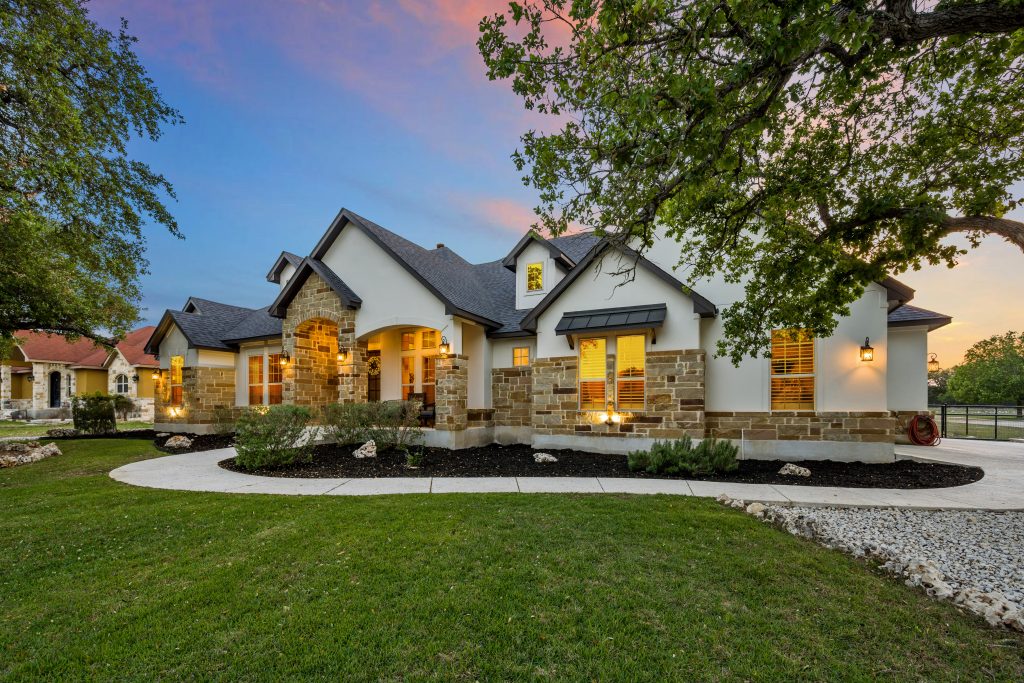
Key Factors for Buyers
When evaluating properties, buyers consider several critical factors beyond walkability and privacy:
- Proximity to Schools and Work: Access to quality education and reasonable commutes remains a top priority.
- Neighborhood Character: Safety, aesthetics, and community cohesion influence both lifestyle and property value.
- Home Layout and Design: Functional layouts, flexible spaces, and modern finishes enhance livability.
- Outdoor Amenities: Yards, patios, and recreational spaces support family life and leisure activities.
- Investment Potential: Long-term property appreciation depends on location, demand, and quality enhancements.
Integrating these considerations ensures that buyers select homes that align with both lifestyle goals and financial expectations. Even minor interior features, like high-quality countertops, contribute to the overall desirability without becoming the central selling point.
Where Walkability Meets Privacy
The most appealing properties often strike a balance between accessibility and seclusion. Quiet streets near local shops, parks, and schools provide the convenience of urban living while maintaining the comfort of private residential spaces. Homes in these neighborhoods offer versatility, accommodating both family routines and social gatherings.
Kitchens, living areas, and outdoor spaces are designed to maximize functionality. Durable, aesthetically pleasing surfaces such as granite countertops may be included, enhancing the home’s appeal without overshadowing the property’s location-driven value. This approach reflects broader trends in New Jersey real estate, where buyers increasingly seek properties that combine lifestyle flexibility with strong investment potential.
Crafting the Perfect New Jersey Lifestyle
Choosing the right location in New Jersey involves weighing the benefits of walkability against the advantages of privacy. Urban-adjacent neighborhoods provide convenience and social engagement, while suburban retreats offer space, tranquility, and customization opportunities. Balanced neighborhoods deliver both, appealing to buyers who desire connection without sacrificing personal retreat.
Homes designed with attention to interior function, adaptable layouts, and subtle luxury finishes create environments that support modern living. Kitchens equipped with durable, elegant surfaces serve as both practical and aesthetic anchors, demonstrating how thoughtful design complements location in shaping long-term satisfaction.
Ultimately, understanding the relationship between location, lifestyle, and home features allows buyers to select properties that meet daily needs, reflect personal preferences, and maintain strong long-term value. New Jersey’s diverse real estate market ensures opportunities for a wide range of buyers, whether prioritizing walkability, privacy, or a strategic blend of both.